University Fee Coordination Through Encrypted Network Links Supporting Automated Tuition Cycles Across Campus Mobile Terminals and Digital Platforms
Written by Paul Vogel · Oct 11, 2026
University Fee Coordination Through Encrypted Network Links Supporting Automated Tuition Cycles Across Campus Mobile Terminals and Digital Platforms
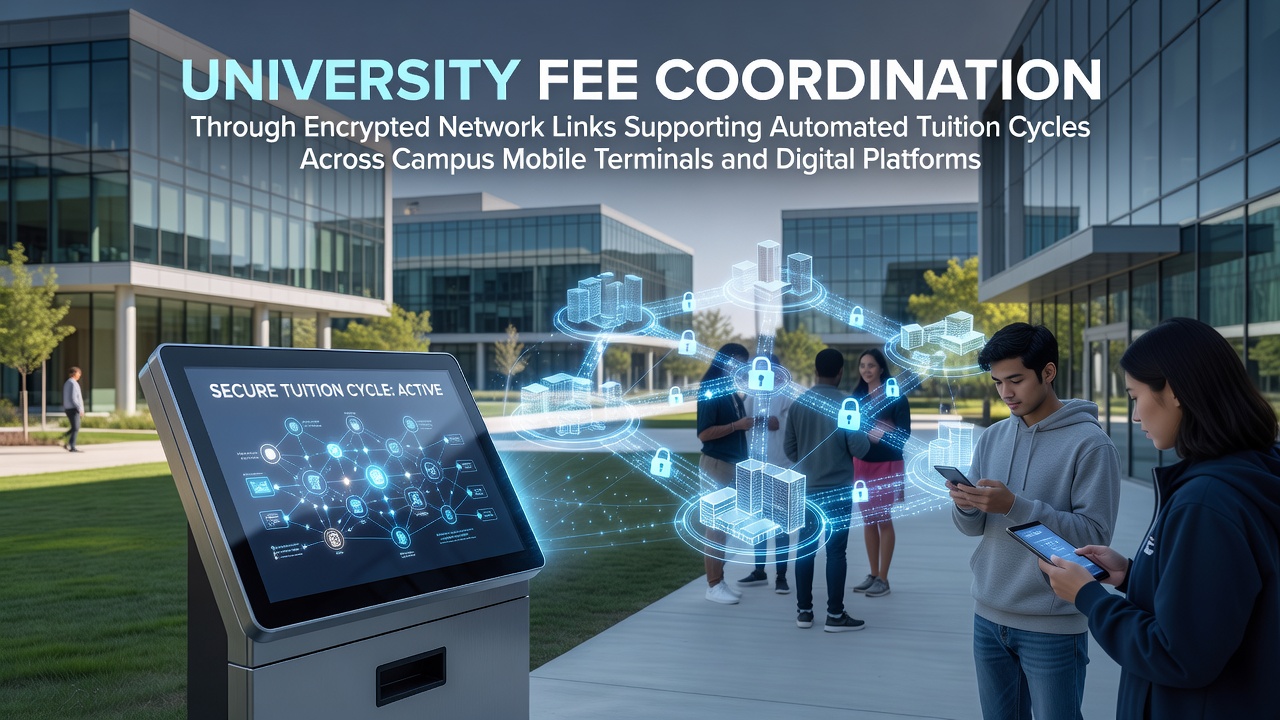
Universities have expanded their use of encrypted network links to coordinate student fee payments, and these connections now support automated tuition cycles that run across campus mobile terminals along with broader digital platforms. Institutions route payment data through secure channels that comply with established standards, which allows recurring charges to process on set schedules while students access accounts from handheld devices or web portals. Data shows that enrollment in such systems reached new levels by October 2026 as more campuses integrated mobile terminals with central servers.
Network Architecture and Encryption Protocols
Encrypted tunnels form the backbone of these arrangements, and they transmit sensitive financial details between student accounts and university billing departments without exposing information during transit. Researchers at several institutions have documented how protocols such as TLS 1.3 and IPsec maintain integrity across wireless campus networks, while tokenization replaces card numbers with unique identifiers that reduce exposure points. Observers note that mobile terminals on campus connect to these links through authenticated sessions that verify both device and user before any data exchange begins.
Systems often segment traffic so that tuition cycles operate independently from other campus services, and this separation limits the scope of any potential breach. According to reports from the National Institute of Standards and Technology, universities applying these layered controls have recorded measurable declines in unauthorized access attempts over the past three years. The architecture also accommodates peak periods, such as registration windows, by scaling bandwidth without compromising encryption strength.
Automated Tuition Cycles and Scheduling
Automated cycles pull tuition amounts at predetermined intervals once students approve initial authorizations through their campus accounts. These processes run on encrypted links that transmit updated balances and confirmations back to student portals in real time. Figures from institutional audits reveal that automation reduces manual interventions by more than half compared with earlier paper-based methods, and students receive notifications on their mobile terminals when deductions occur.
Integration with financial aid systems further streamlines the flow, because scholarship credits and loan disbursements adjust automatically before each cycle begins. One study conducted across multiple state universities found that error rates in fee calculations dropped after the adoption of synchronized scheduling tools that align with academic calendars. The same research indicated that October 2026 marked the first full semester where several large campuses completed all recurring tuition movements without manual overrides.
Mobile Terminals and Digital Platform Interactions
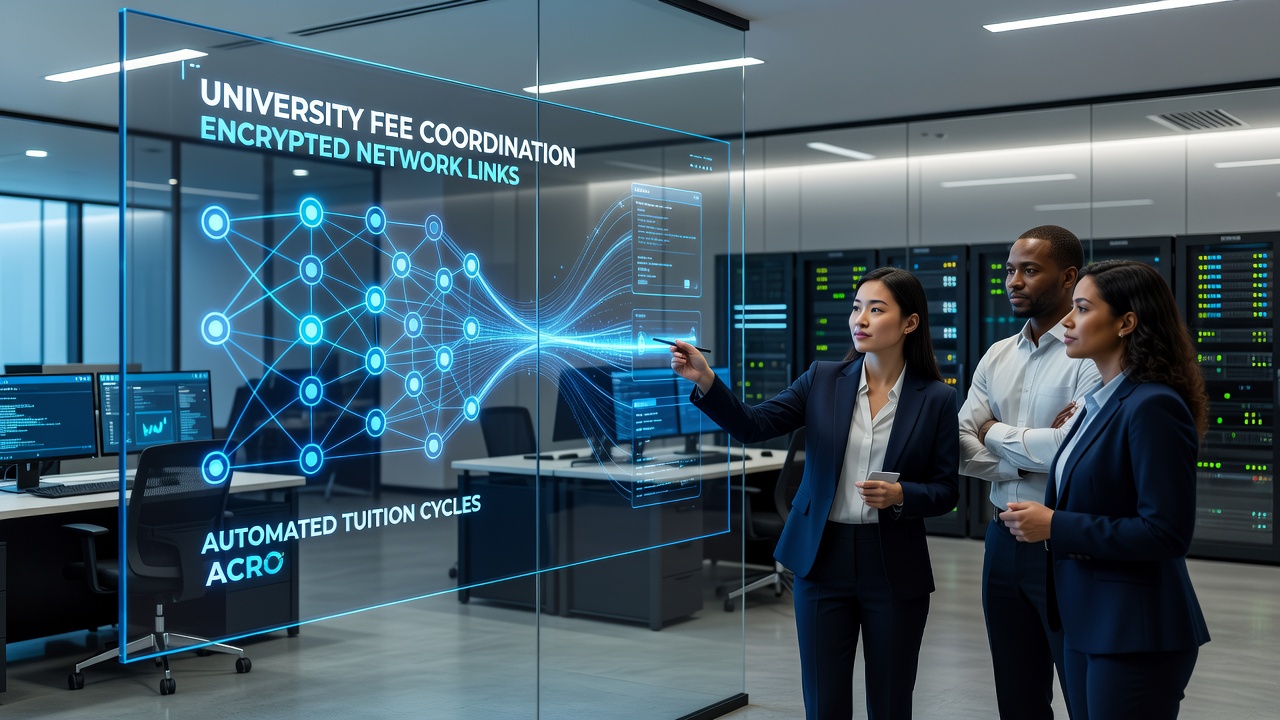
Campus mobile terminals serve as entry points for students to review balances, authorize payments, and receive receipts, while the underlying platforms maintain records across desktop and web interfaces. These devices communicate through encrypted channels that enforce role-based access, which means only verified users can initiate or view transactions. Data from campus technology offices shows increased usage of mobile terminals during evening and weekend hours when traditional offices remain closed.
Digital platforms complement the terminals by offering self-service dashboards that display projected fees, payment history, and upcoming cycle dates. Institutions that link these platforms to the same encrypted networks report smoother reconciliation processes at the end of each term. What's interesting is how the combination allows international students to manage payments from their home countries through secure mobile sessions without needing to visit physical locations.
Security Measures and Compliance Requirements
Security protocols extend beyond encryption to include regular audits and intrusion detection systems that monitor network traffic for anomalies. Universities coordinate with external assessors to verify that mobile terminals and digital platforms meet data protection regulations, and this oversight covers both domestic and cross-border transactions. Evidence from compliance reviews indicates that institutions maintaining updated encryption certificates experience fewer delays during annual inspections.
Access logs track every interaction with fee data, creating an audit trail that administrators review for irregularities. The approach aligns with guidelines issued by bodies such as the European Data Protection Board, which emphasize consent management and data minimization in educational settings. Observers note that October 2026 saw several universities publish updated transparency reports detailing how they protect automated tuition information.
Implementation Patterns Across Institutions
Public universities in North America have adopted centralized models where one primary server manages all encrypted links to distributed terminals, whereas some private institutions prefer hybrid setups that incorporate cloud resources for overflow capacity. Both patterns rely on the same core principles of authentication and encryption, yet they differ in how they allocate maintenance responsibilities. Reports from higher education technology consortia document these variations and highlight successful migrations completed ahead of the 2026 academic year.
Training programs prepare staff to troubleshoot terminal connectivity issues and guide students through platform interfaces, which supports consistent operation across departments. Data collected during these rollouts shows that campuses providing on-site support experienced faster adoption rates among first-year students compared with those relying solely on online documentation.
Conclusion
Encrypted network links continue to underpin automated tuition coordination at universities by connecting mobile terminals and digital platforms into unified payment environments. The systems handle recurring cycles with measurable efficiency gains and maintain security standards that satisfy regulatory expectations. Institutions that refine these connections position themselves to manage growing enrollment and diverse payment preferences while preserving data integrity throughout each transaction sequence.