Token Exchange Protocols Powering International Subscription Authorizations in Temporary Retail Networks
Written by Willa Bennett · Oct 25, 2026
Token Exchange Protocols Powering International Subscription Authorizations in Temporary Retail Networks
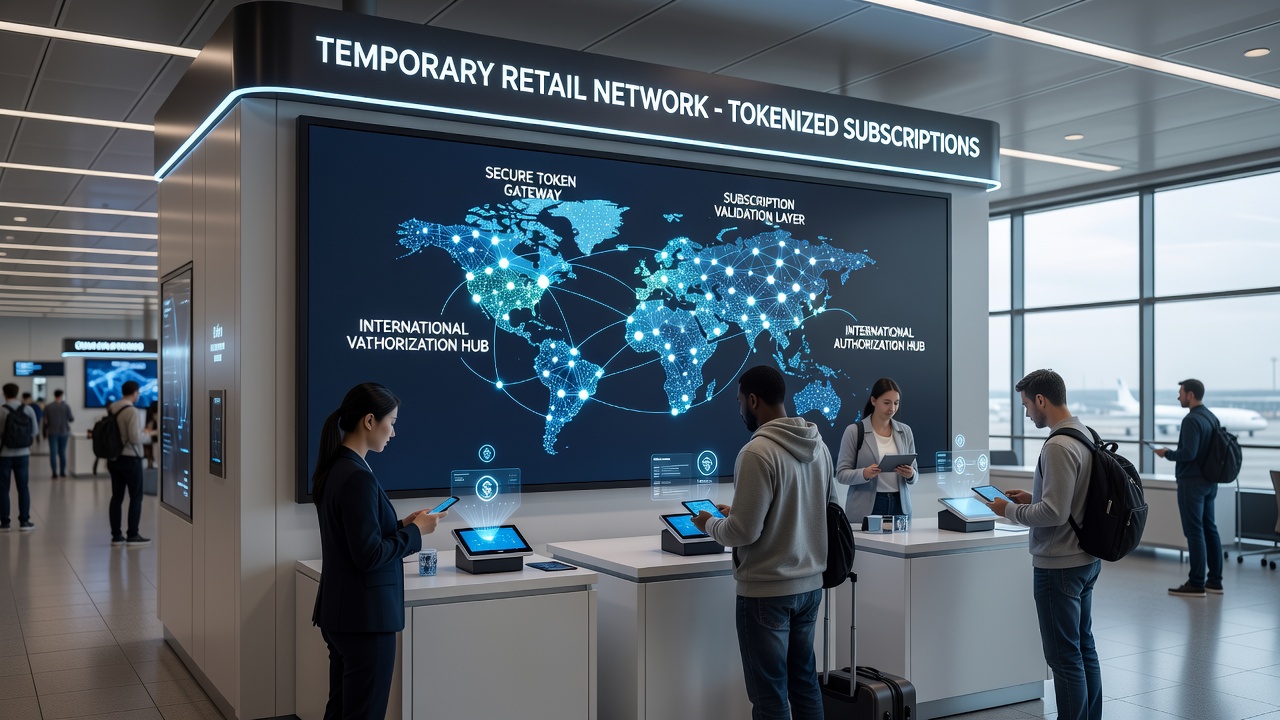
Token exchange protocols enable secure authorization of recurring payments across borders, and they support operations in temporary retail setups where hardware moves frequently between locations. These protocols replace sensitive card details with unique tokens that maintain functionality for scheduled charges while limiting exposure during transmission. Researchers at payment security organizations have documented how such systems handle multi-currency transactions in environments like festival stalls and pop-up stores. Temporary retail networks often rely on portable readers connected to cloud platforms, and token exchange allows these devices to process subscriptions without storing full account numbers locally. Data from the European Central Bank shows that token-based methods reduced certain authorization failures in cross-border retail by measurable margins through 2025, with further updates tracked into October 2026 as new standards rolled out for dynamic token refresh cycles.Core Mechanics of Token Exchange in Subscription Flows
Protocols begin when a customer provides payment credentials at a temporary checkout point, after which the system generates a token tied to specific merchant and transaction rules. This token travels through authorization networks instead of raw card data, and it supports recurring deductions because the issuing bank maintains the mapping to the original account. Observers note that this separation proves essential in short-term retail where devices operate on wireless networks prone to intermittent connectivity.
International subscriptions add layers of currency conversion and regulatory checks, yet token exchange protocols incorporate fields for these details at the point of token creation. A single token can reference multiple authorization parameters, including limits on charge frequency and geographic scope, which helps vendors manage revenue streams from mobile locations without repeated customer re-entry.
Integration With Mobile and Event-Based Hardware
Portable terminals at markets or seasonal events connect to backend systems through encrypted channels that carry tokenized requests, and this setup complies with data handling requirements across regions. Studies from payment industry groups indicate that adoption of these protocols grew steadily as temporary retail expanded into service subscriptions like equipment rentals or membership access tied to events. The process involves the terminal requesting a token from a vault service, then using that token for subsequent charges even after the physical setup relocates.
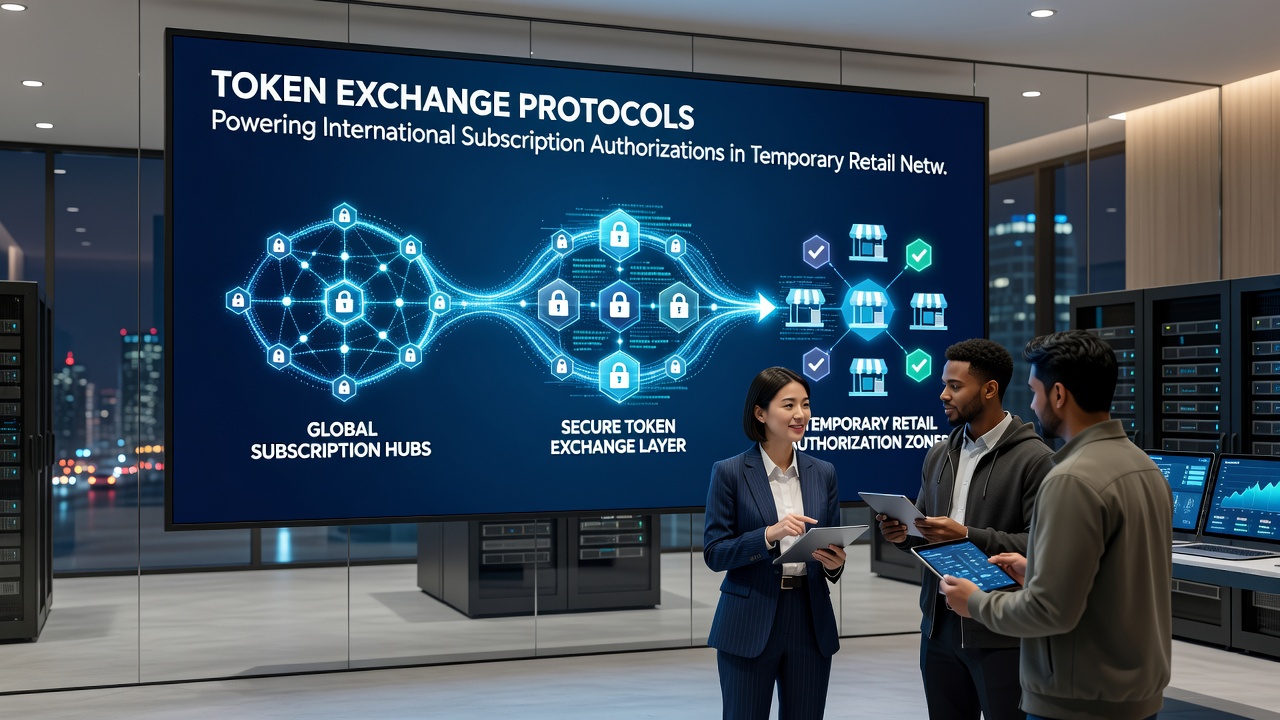
Hardware synchronization plays a direct role here because readers must align with cloud rules for token validation before each cycle completes. In practice, a vendor at an international trade show can authorize a monthly service plan on-site, and the token persists for later charges processed from a different jurisdiction without additional card capture steps.
Security and Compliance Considerations Across Borders
Token exchange incorporates encryption standards and access controls that align with frameworks such as those outlined by the Reserve Bank of Australia in its payments oversight reports. These measures address risks in environments where devices change hands or networks shift rapidly. Figures from academic analyses of retail payment systems reveal that token methods limit the window for data interception during the brief authorization windows typical of pop-up operations.
International elements require protocols to embed compliance markers for varying data residency rules, and this occurs at token issuance rather than during each recurring charge. Temporary networks benefit because the reduced data footprint on devices simplifies audits when equipment returns from events held overseas.
Operational Patterns in High-Volume Transient Setups
Retailers running subscription models through short-term locations use token refresh mechanisms that update credentials automatically when banks issue new expirations or security updates. This automation keeps authorization rates stable even when the retail hardware sits in temporary stalls connected via cellular links. Research papers on digital commerce infrastructure describe how these patterns support steady revenue in sectors like seasonal fitness programs or event-based equipment leasing.
What's notable is the way token protocols coordinate with verification steps across wireless networks, allowing scheduled deductions to proceed without constant re-authentication from the customer side. Vendors in multi-country circuits report smoother operations once initial token provisioning completes at the first activation point.
Conclusion
Token exchange protocols form a foundational element for international subscription handling within temporary retail networks by securing data flows and supporting flexible hardware use. Evidence from regulatory and industry sources continues to track their role in maintaining authorization reliability as setups evolve through 2026 and beyond. These systems connect portable readers with cyclical billing under established security parameters, enabling consistent performance across changing locations and currencies.