Device Coordination Techniques for Secure Recurring Charges in Mobile Commerce Setups
Written by Sage Roth · Nov 22, 2026
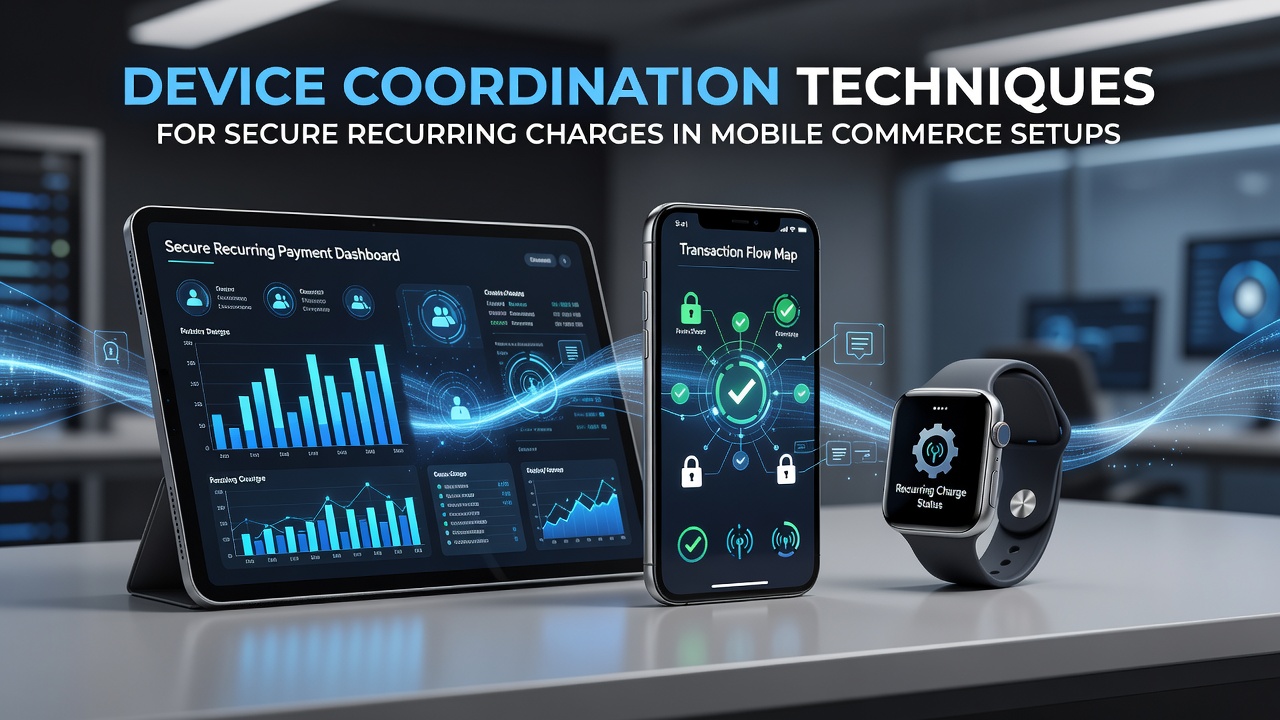
Device Coordination Techniques for Secure Recurring Charges in Mobile Commerce Setups
Device coordination techniques enable mobile phones, tablets, and wearable hardware to maintain synchronized connections with payment processors during recurring charge cycles in mobile commerce environments. These methods rely on protocols that align device states with backend systems while preserving transaction integrity across multiple billing intervals.
Core Synchronization Mechanisms
Researchers at institutions studying digital transaction flows have documented how mobile devices employ heartbeat signals and session tokens to stay aligned with recurring billing schedules. A device initiates contact with the payment network at predefined intervals, transmits encrypted status updates, and receives confirmation that the next charge authorization remains valid. This approach reduces latency when charges process and limits exposure during network disruptions.
Coordinated devices also share cryptographic keys through secure channels established during initial setup. Each participating unit stores partial key material while the full sequence resides in a distributed ledger maintained by the merchant backend. When a charge date approaches, the devices reconstruct the necessary credentials without exposing complete data on any single endpoint.
Security Layers in Mobile Ecosystems
Secure recurring charges depend on layered authentication that combines device biometrics with network-level verification. Fingerprint or facial recognition data stays confined to the hardware secure element, while the coordination layer transmits only a derived confidence score to the payment gateway. This separation prevents raw biometric information from traversing external networks during repeated billing events.
Standards bodies such as the National Institute of Standards and Technology have published guidelines that address these coordination patterns in mobile environments. Their frameworks emphasize mutual authentication between devices and servers before any recurring authorization proceeds, a practice that became more widely adopted following updates released in early 2025.
Edge Computing Integration
Edge nodes positioned near mobile commerce users now handle preliminary validation steps for recurring charges. When a device detects an upcoming billing cycle, it forwards a compact transaction request to the nearest edge processor rather than routing everything through distant cloud servers. The edge node checks device compliance status, confirms token freshness, and returns an approval signal within milliseconds. This architecture proves particularly useful in regions with variable connectivity, where full round trips to central servers could otherwise interrupt service continuity.
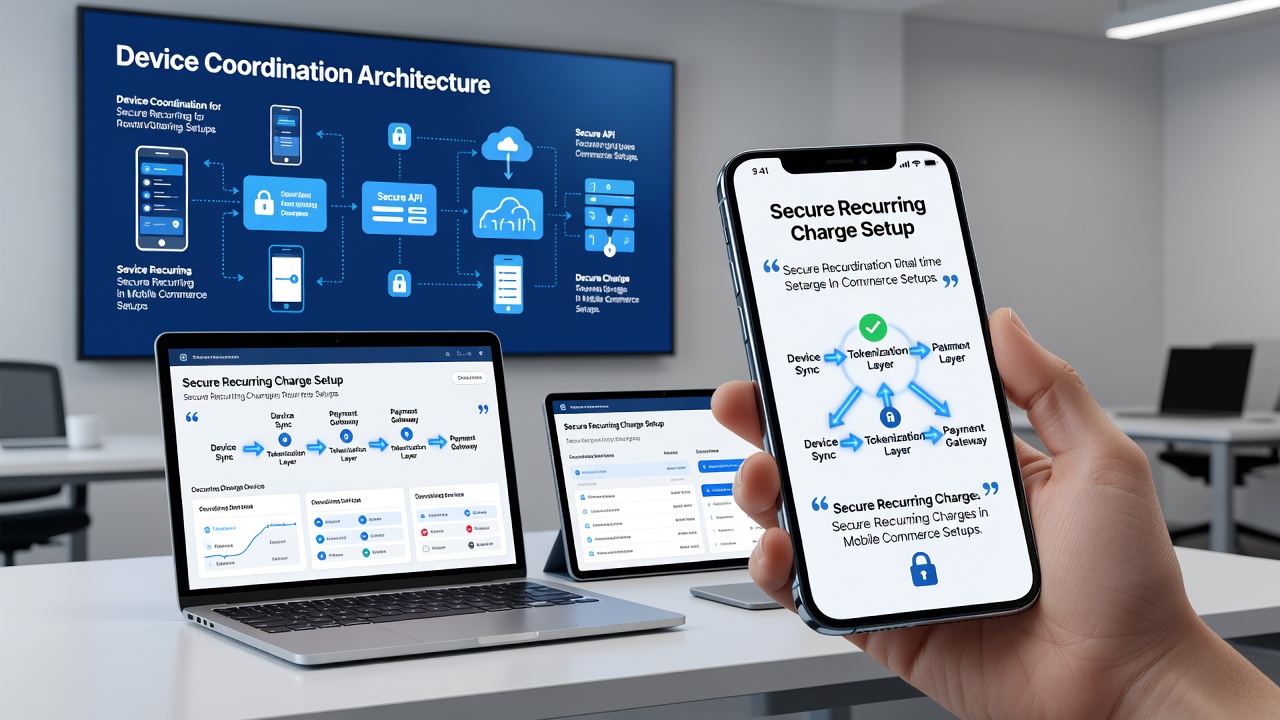
European Union Agency for Cybersecurity reports from 2024 highlight measurable reductions in authorization failures when edge coordination supplements traditional cloud pathways. Systems tested across multiple member states demonstrated improved uptime for subscription-based services that rely on mobile-initiated recurring charges.
Token Rotation and Lifecycle Management
Recurring charge security strengthens when devices participate in automated token rotation schedules. Instead of reusing static credentials across billing periods, the coordination protocol generates fresh tokens at regular intervals or after specific transaction thresholds. Each device maintains awareness of its token expiration through synchronized clocks and receives replacement values during routine background communications. Observers note that this pattern limits the window during which compromised tokens remain usable.
Merchants operating mobile commerce platforms have integrated these rotation routines into their application programming interfaces. The process occurs without user intervention, allowing recurring charges to continue uninterrupted while the underlying credentials evolve continuously.
Regulatory Context and November 2026 Developments
Payment networks have prepared for revised data protection requirements scheduled to take effect in November 2026 across several jurisdictions. These updates mandate stricter logging of device coordination events during recurring transactions and require merchants to demonstrate that synchronization protocols include tamper-evident audit trails. Organizations preparing for the deadline have begun testing enhanced logging modules that capture device identity, token version, and edge node participation for every recurring authorization attempt.
Industry reports indicate that compliance teams are mapping existing device coordination flows against the forthcoming rules to identify gaps in current implementations. The changes affect how mobile applications record consent renewals and how hardware reports successful charge completions back to central systems.
Conclusion
Device coordination techniques continue to evolve as mobile commerce expands recurring charge models into new markets and device categories. Synchronization protocols, edge processing, biometric separation, and scheduled token updates form the foundation of current practices that support secure billing cycles. Data from regulatory agencies and research institutions shows that these methods reduce certain categories of transaction failures while meeting emerging compliance obligations. As standards advance in late 2026, further refinements to coordination patterns are expected to maintain alignment between mobile hardware and payment networks.